

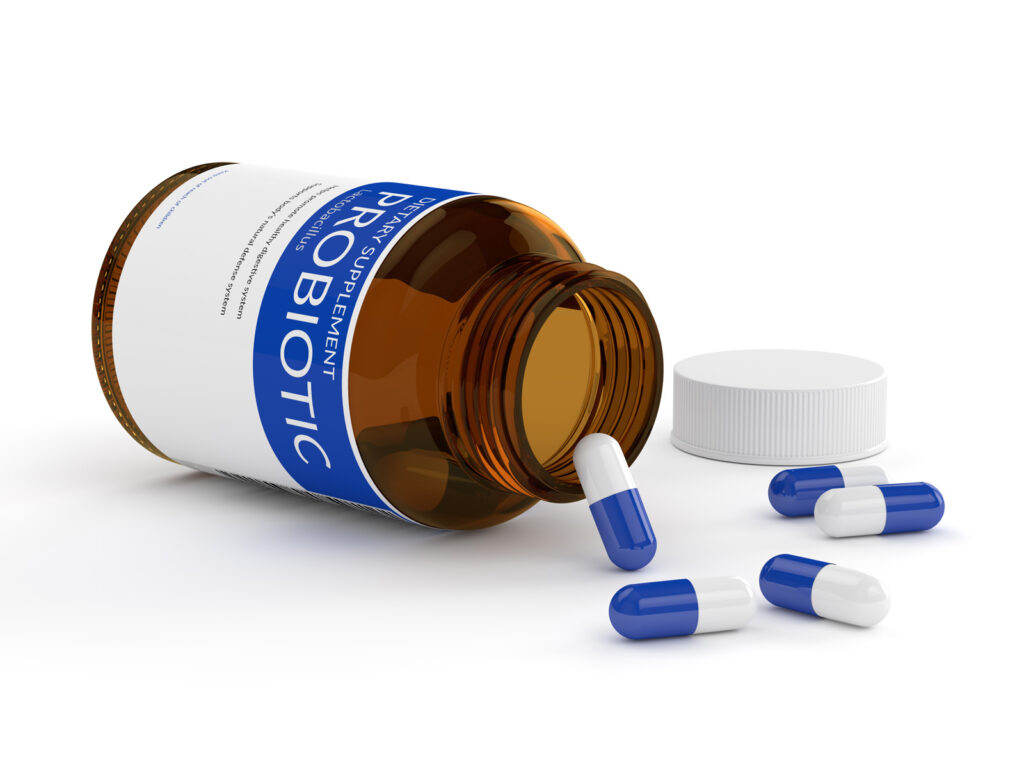
Probiotics have become one of the most widely-used nutritional supplements on the market. According to a recent report by Transparency Market Research, sales of probiotic ingredients, supplements and foods are estimated to reach $38 billion by 2018.
And while more and more people are turning to fermented foods and probiotics to improve digestive health, there’s something important you should know: Your probiotic could actually worsen your digestive symptoms and harm your health.
Research published in The American Journal of Gastroenterology found that 84 percent of people suffering from irritable bowel syndrome (IBS) also suffer from harmful overgrowth of a specific type of gut bacteria.
This overgrowth – called SIBO (small intestinal bacterial overgrowth) – is responsible for a host of digestive and systemic health symptoms including:
- Bloating, belching and gas
- Cramping, constipation and diarrhea
- Headaches
- Fatigue and fibromyalgia
- Rashes and skin disorders
- Irritability, unstable moods and depression
- Asthma
- Joint Pain
But what causes SIBO?
Risk Factors and Testing for SIBO
While our large intestine is teeming with bacteria – up to 100 billion per teaspoon of fluid – the small shouldn’t contain much at all.
But stress, infections (including H. pylori and food poisoning) and even a simple irritation of the gut lining from food intolerances or allergies can cause functional changes that lead to an overgrowth of bacteria in the small intestine.
Over time, displaced bacteria in the small intestine multiply. And if you are taking probiotic supplements or foods, your SIBO can worsen – compounding digestive distress and contributing to an array of seemingly unrelated health issues.
Unfortunately, diagnosing SIBO can be a challenge. It is often overlooked by conventional practitioners or misdiagnosed as another digestive ailment.
The good news is that there’s a simple, non-invasive test that can help. Considered the “gold standard” in diagnosing SIBO, the Breath Test (or lactulose breath test) involves drinking a sugar-rich solution and then measuring hydrogen gases and methane produced by bacteria.
Once you are tested and have been diagnosed with SIBO, you can begin the healing process.
Natural Treatments for SIBO
While SIBO must often be treated with antibiotics (including Metronidazole and Rifraximin), many people find relief with a combination of diet and natural remedies.
What kind of diet is best for SIBO?
Not surprisingly, the best diet to effectively treat SIBO is very similar to the diet enjoyed by our ancestors – rich in healthy native fats and gut-healing gelatin and free from simple sugars and grains. It is also low in fruit and starchy vegetables. This restricts the fermentable food sources for the bacteria. The protocol set forth in the Specific Carbohydrate Diet (or SCD) or the Low FODMAP diet are ideal for this.
While starving the bacteria is a step in the right direction, complete relief and healing from SIBO also typically requires some “heavy artillery” to kill off the colonies that are residing in the small intestine.
As mentioned earlier, antibiotics can certainly play this role, and are effective at doing so. The downside is that antibiotics also kill the healthy bacteria in the large intestine, which can promote an overgrowth of yeast (Candida) leading to an assortment of unpleasant or harmful side effects.
Luckily, natural, non-prescription alternatives do exist: Cinnamon, olive leaf, peppermint oil, echinacea, garlic, wormwood, goldenseal, grapefruit seed extract (GSE), ginger, cat’s claw, oregano oil and barberry have all been shown to effectively help treat SIBO.
With this being said, it is very important to work with a skilled clinician to create a healing protocol that is right for you. These substances are potent and can be harmful if used in improper amounts or for a prolonged period of time.
Achieving Digestive Health: More Isn’t Always Better
As a flood of new probiotic supplements and foods become available, remember this important point…
More is not always better.
Achieving optimal health is about finding your body’s natural state of balance. If you think you may have SIBO, default to the native diet enjoyed by our ancestors and work with a natural-minded practitioner to help fine-tune your diet and get your digestion back in balance naturally.




Leave a Reply